

Subtotal ₨0.00


 24 Hour Emergency Aid
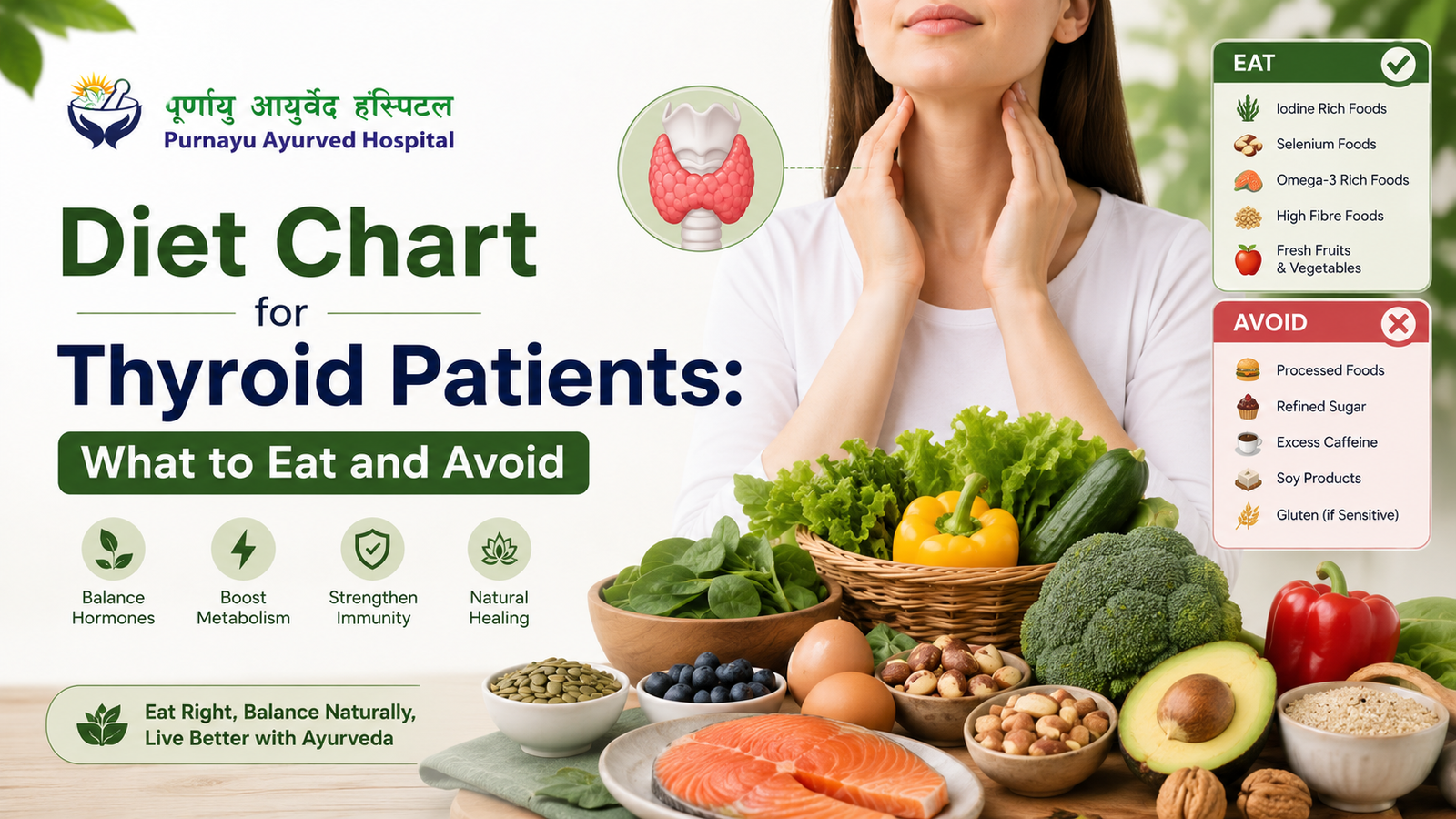
The thyroid is a small but essential gland located at the base of your neck. It produces two key hormones — thyroxine (T4) and triiodothyronine (T3) — which regulate your body’s metabolism, energy levels, body temperature, heart rate, and overall health. When thyroid function is disrupted, it can affect nearly every system in your body.
Thyroid disorders generally fall into two categories:
Hypothyroidism — the thyroid gland produces less hormone than the body needs, which slows down metabolism and often leads to fatigue, weight gain, and sluggishness.
Hyperthyroidism — the thyroid gland produces excess hormone, speeding up metabolism abnormally and often causing weight loss, anxiety, and rapid heartbeat.
Diet plays a significant role in managing both conditions. Below is guidance for each.
Diet for Hypothyroidism
Foods to Include
- Iodine-appropriate foods: eggs, non-iodized salt (as advised by your doctor)
- Cooling, fresh vegetables: bitter gourd, pumpkin, capsicum, cabbage, cauliflower, mushrooms, cheese, leafy greens, spinach, mustard greens, fenugreek leaves
- Cooling fruits and drinks: watermelon, muskmelon, orange, pomegranate, coconut water, mint, coriander, fennel, rose water, turmeric water/milk
- Calcium and Vitamin D-rich foods: yogurt, almonds, walnuts, soybeans
- Selenium-rich foods: walnuts, almonds, cashews, chia seeds, Brazil nuts
- Iron and protein-rich foods: tuna, small fish, lentils, kidney beans, brown rice, oats
- Natural sweeteners like honey and jaggery in moderation
Foods to Avoid
- Seaweed and iodine-rich sea vegetables (kelp, nori, wakame)
- Iodized salt in excess
- Red meat and fatty meats (pork, buffalo, mutton)
- Iodine-fortified dairy products
- Canned/processed meat and fish
- Packaged juices
- Deep-fried foods (samosa, pakoda, French fries)
- Alcohol and smoking — these interfere with metabolism
- Excess tea and coffee
- Refined flour and fast food (noodles, burgers, pizza)
- Sugary drinks and carbonated beverages
- Preservative-laden packaged snacks
- White bread and gluten-heavy processed foods
- Pasta and instant noodles
Diet for Hyperthyroidism
Foods to Include
- Iodine-rich foods: salmon, tuna, seaweed (nori, wakame), iodized salt, dairy products, whole eggs
- Cruciferous vegetables: broccoli, cauliflower, cabbage, kale, bok choy, mustard greens, turnip — these can help moderate excess thyroid hormone production
- Selenium-rich foods: Brazil nuts, tuna, sardines, whole grains (quinoa, brown rice, oats), sunflower seeds, mushrooms
- Iron-rich foods: chicken, turkey, pork, spinach, kale, lentils, dried fruits (raisins, apricots)
- Vitamin D-rich foods: fortified milk, cheese, salmon, mackerel, egg yolk, fortified cereals
Foods to Avoid
- Soy-based foods: soybeans, tofu, tempeh, soy milk, soy-based infant formula
- Gluten-containing foods: wheat bread, pasta, and grains containing gluten
- Processed foods: fast food, high-sugar foods, packaged chips, cookies
- Sugary and heavily processed beverages
Our Approach at Purnayu
At Purnayu Ayurved Hospital, thyroid management goes beyond a printed diet sheet. Our physicians assess your specific thyroid condition, current medication, and lifestyle before building a personalized diet and treatment plan — often combined with Ayurvedic therapies and regular monitoring through our in-house lab.
Important: Thyroid medication should never be stopped or adjusted without your doctor’s guidance, even alongside dietary changes. Diet supports treatment — it does not replace prescribed medication.
Experiencing thyroid symptoms — fatigue, unexplained weight changes, or irregular heartbeat? Book a Consultation or call us at 01-4588805.