

Subtotal ₨0.00


 24 Hour Emergency Aid
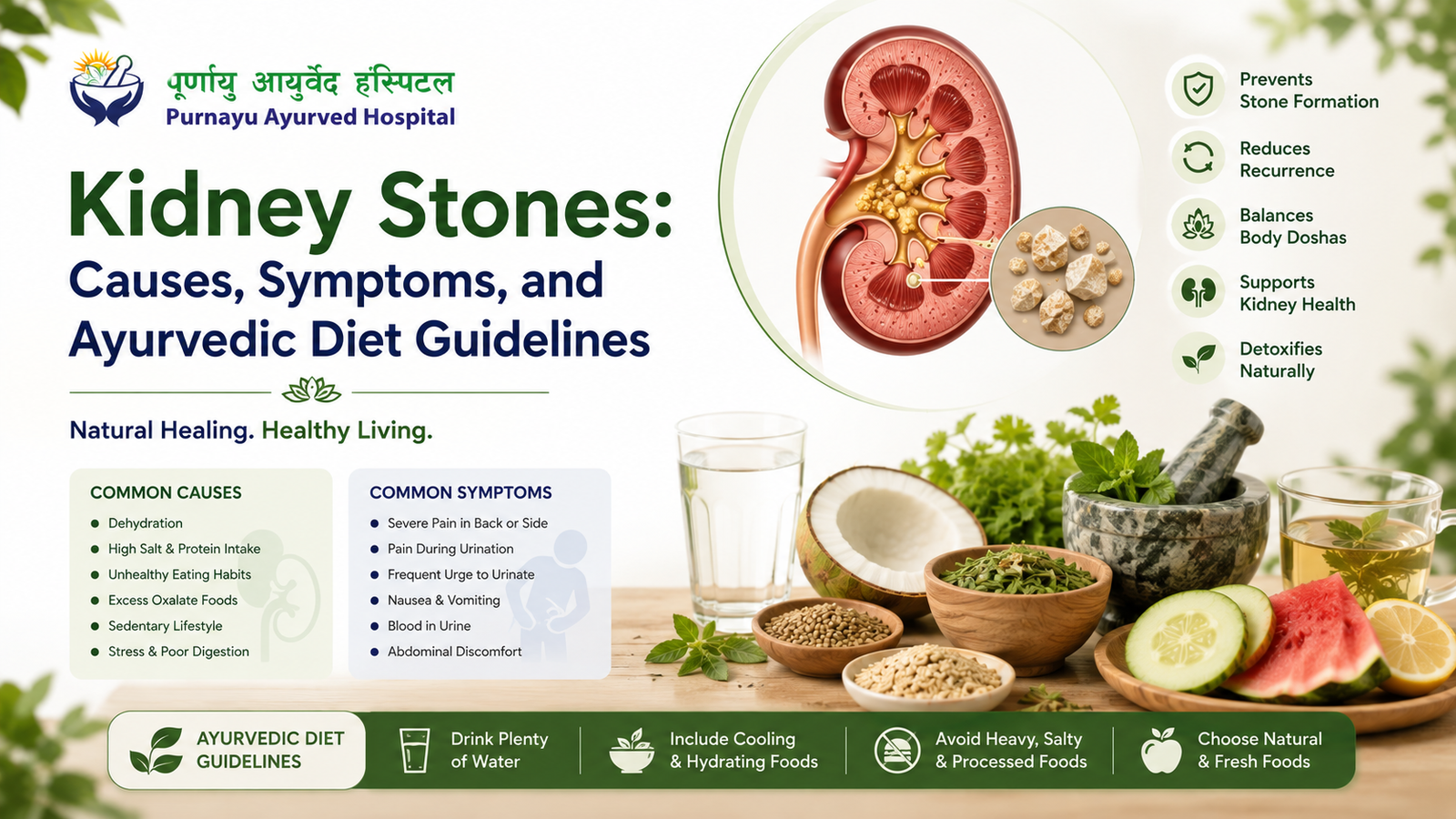
Kidney stones are hard mineral deposits that form inside the kidney when waste products in the blood crystallize instead of passing out through urine. They can range from as small as a grain of sand to large enough to cause severe pain and blockages.
Common Causes
- Urinary tract or urinary canal infections
- Kidney-related disorders (nephrotic syndrome, lupus, glomerulonephritis, polycystic kidney disease)
- Uncontrolled high blood pressure and diabetes
Symptoms to Watch For
- Nausea and vomiting
- Loss of appetite and altered taste
- Reduced urine output
- Protein or infection detected in urine tests
- Foul-smelling, cloudy, or discolored urine
- Muscle cramps and general body swelling, especially around the eyes and feet
- Difficulty breathing, chest pain, or fluid buildup around the lungs (in more serious cases)
- Difficulty sleeping, persistent fatigue, memory difficulties
- Abdominal or back pain
- Fever
If you notice several of these symptoms together, don’t wait — early evaluation makes treatment significantly more effective.
Diet Guidelines for Kidney Stone Patients
Foods to Include
- Plenty of water throughout the day
- Herbal teas
- Muskmelon, banana, bottle gourd (lauki), carrot, radish, bitter gourd, pomegranate, apple, pear
- Coconut water and fresh fruit juices
- Vegetable soups
- Horse gram lentils (gahat ko daal)
- Barley (jau) and barley water
- Ghee in moderation
- Lemon water (kagati paani)
Foods to Avoid
- Excess salt; avoid processed/refined salt
- Spinach and other high-oxalate leafy greens
- Amla (Indian gooseberry) in excess
- Tomatoes, cashews, raw mango, black grapes
- Broccoli, pumpkin seeds
- Soybeans, chickpeas, cauliflower-family beans
- High-protein non-vegetarian foods: fish, meat, eggs, mushrooms, asparagus
- Sugar and sugary beverages
- High-calcium dairy: cheese, butter, cream, chocolate
- Tea, coffee, and alcohol
Prevention Tips
- Adopt sustainable lifestyle changes rather than short-term fixes
- Maintain a healthy weight for your height
- Keep blood pressure and blood sugar within normal ranges
- Reduce salt intake — and use unrefined salt when possible
- Drink adequate water daily
- Avoid alcohol and smoking
- Include light daily exercise in your routine
Our Approach at Purnayu
We combine dietary counseling with Ayurvedic therapies suited to your specific stone type and kidney health, monitored through our in-house lab. Diet and lifestyle changes work best as an ongoing practice, not a one-time adjustment — our physicians help you build a plan you can realistically sustain.
Experiencing back pain, unusual urination, or other symptoms above? Book a Consultation or call 01-4588805.